
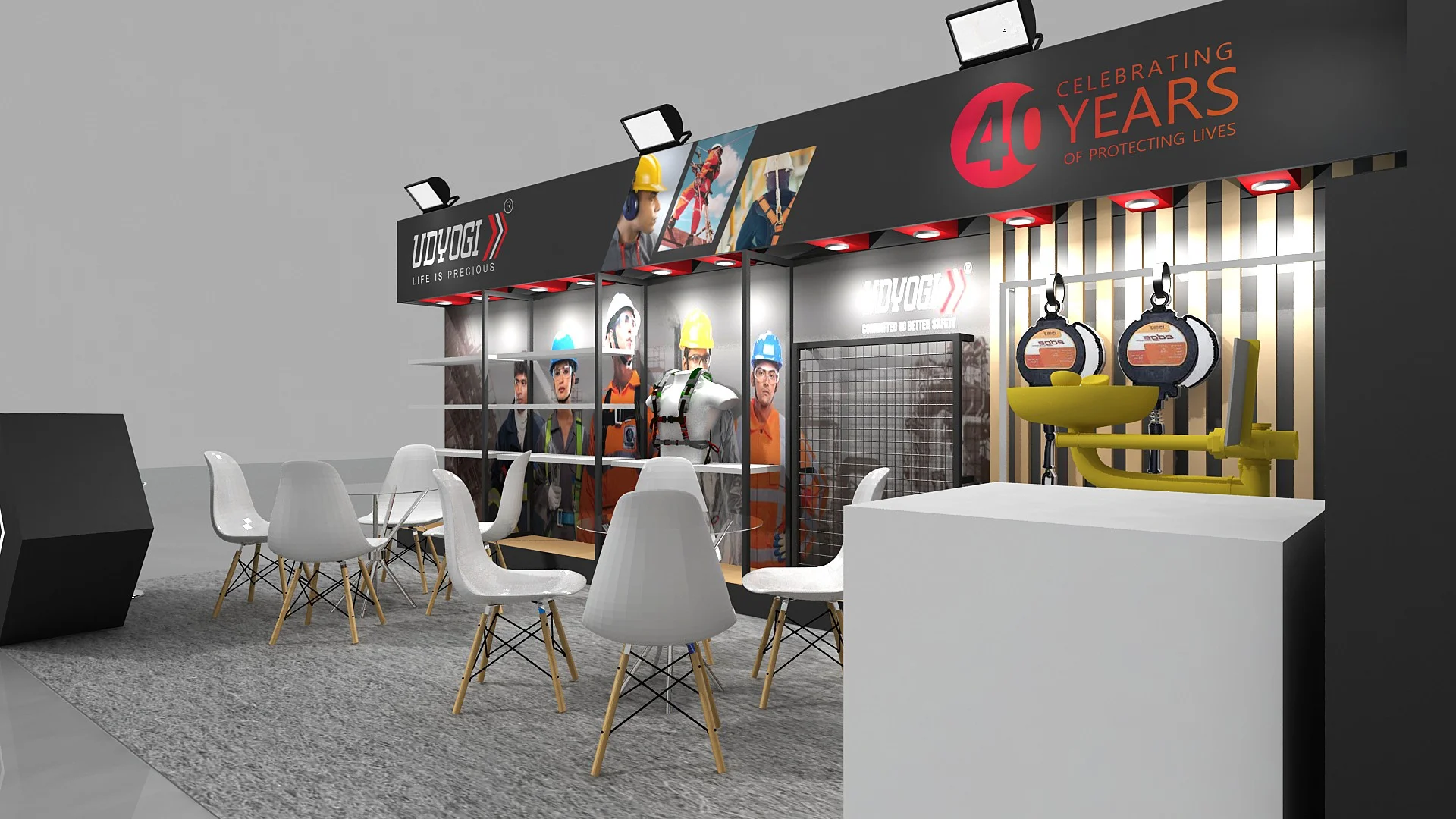
Modular exhibit systems are designed around structured reuse.
The service depends on repeatable components, cleaner footprint adaptation, and a booth package that can scale between dates without forcing the client to start from zero each time.
That makes it different from exhibitor-appointed-contractor coordination, which is more about managing the relationship between the exhibitor's chosen contractor and the venue or general-contractor rules than about the booth system itself.
Execution priorities for Modular Exhibit Systems
- Reusable kit logic and footprint flexibility
- A booth architecture designed for repeat deployment
- System-level consistency across more than one event
Pensacola trade show market
Exhibiting in Pensacola means working inside an established event ecosystem. The venues, the labor model, and the local production capacity all behave in predictable patterns.
Pensacon as a three-day signature event that draws tens of thousands to downtown Pensacola and operates across multiple venues, confirming real demand for coordinated downtown, venue-to-venue event execution.
Where Pensacola shows actually happen
Every Pensacola show takes place in a specific building with its own rules. The venues below come up most often on our production calendar.
the plan has to match the specific building.
Sanders Beach-Corinne Jones Resource Center: waterfront city venue near downtown Pensacola with a large ballroom, breakout rooms, kitchen access, and outdoor event space for conferences, dinners, and sponsor receptions.
The advantage of a local Pensacola team
Trade Show Services of Pensacola is Pensacola's local trade show team, with in-house design, fabrication, graphics, and show-site crews. One shop, one point of contact, one accountable lead on every project.
Working with a Pensacola-based shop matters most when something goes wrong on-site. Solutions live within driving distance instead of on another coast.
Over a multi-show calendar, the compound value of a single team shows up in fewer surprises. The second install is faster than the first, the third is faster than the second, and by the fourth the project runs on memory and documentation rather than first-principles planning.
Who handles what during the Pensacola install window
There is no single labor model for Pensacola trade shows. The right approach depends on the specific venue and the show organizer's contracts.
Practically, that means pulling the current exhibitor manual for every show and confirming a handful of items in writing: which tasks the venue's house crews cover, which tasks the show's general contractor covers, and what an exhibitor or their appointed contractor can handle without escalation.
Arthur R.
Pensacola neighborhoods and event districts
Pensacola Beach and Santa Rosa Island covers Pensacola Beach, FL, Gulf Breeze, FL, Tiger Point, Gulf Breeze, FL, Midway, FL. Beach resorts and waterfront hotels dominate this cluster.
University and Northeast Pensacola — Cordova Park, Pensacola, FL, Scenic Heights, Pensacola, FL, Ferry Pass, FL — is a different environment.
What's included in the project scope
Individual projects layer or remove items based on scope.
a bad one has many, because they weren't.
Those run alongside the engagement rather than inside it.
From first call to strike
Every project starts with a scope conversation: the show, the venue, the booth number, the dates, and the budget frame. Ten minutes of specifics produces a better plan than a week of generalities.
After the brief, the work turns to the building itself. Dock windows, utility orders, rigging approvals, and labor calls are all confirmed in writing before anything goes to fabrication.
With venue details locked, production runs. Build, print, AV integration, rentals, and the on-site lead's playbook all come together in this phase.
One named show-site lead runs the install. Not a rotating crew and not a remote account manager — one person holds the floor plan, the punch list, and the labor calls from crates to doors.
Throughout show hours, the on-site lead stays present. Tech breaks, sponsor changes, venue requests — all handled without pulling the client team off the floor.
After the show, strike runs against the venue's posted window, and a same-day debrief captures what held and what needs to change before the next date.
Budget and timeline
Every project has the same cost drivers. The number depends on scope, and scope depends on a handful of specific variables.
The levers that matter: build path (custom, rental, or hybrid), footprint, venue service fees, graphics, freight, and supervision days. A 10x10 turnkey rental and a 30x50 custom island with a double deck are entirely different projects.
On timing: custom builds for Pensacola shows run best with 16 to 20 weeks of lead time. Rental programs run on 8 to 12. Anything inside 4 weeks is a rush, which means fewer options and a premium on materials.
How project performance gets measured
The measure of a good engagement is simple: on-time install, no venue callouts, clean show hours, and a closeout that makes the next event easier to book.
Exhibitors who measure programs seriously track leads, floor-booked meetings, and post-show pipeline. The build and the install are upstream inputs to those KPIs.
The post-show debrief is where the numbers get connected back to the physical booth. Which demo station drew traffic, which meeting area closed more conversations, which graphic zone attracted dwell time — that feedback shapes the next build rather than getting lost.
Frequently asked questions
Do you work at Margaritaville Beach Hotel Pensacola Beach?
Yes. Beachfront resort hotel on Pensacola Beach with meeting spaces, outdoor event areas, and gulf-view hospitality suited to corporate retreats, meetings, and sponsor programs.
How does labor work in Pensacola?
It runs venue by venue.
How much lead time is ideal?
Custom builds run best with 16 to 20 weeks of lead time. Rentals take 8 to 12 weeks.
What information kicks off a project?
The show, the venue, the booth number, the dates, and a target budget range. From those, an initial scope and a realistic cost come back within a few days.
Who runs the booth on-site?
One named show-site lead runs the install, the show hours, and the strike. That person carries the floor plan and the punch list from crates to doors and reports up once a day.
Can the booth travel to the next city on our calendar?
Same structure, swappable graphics, standard crates.
What happens if something breaks during show hours?
The on-site lead handles it.