
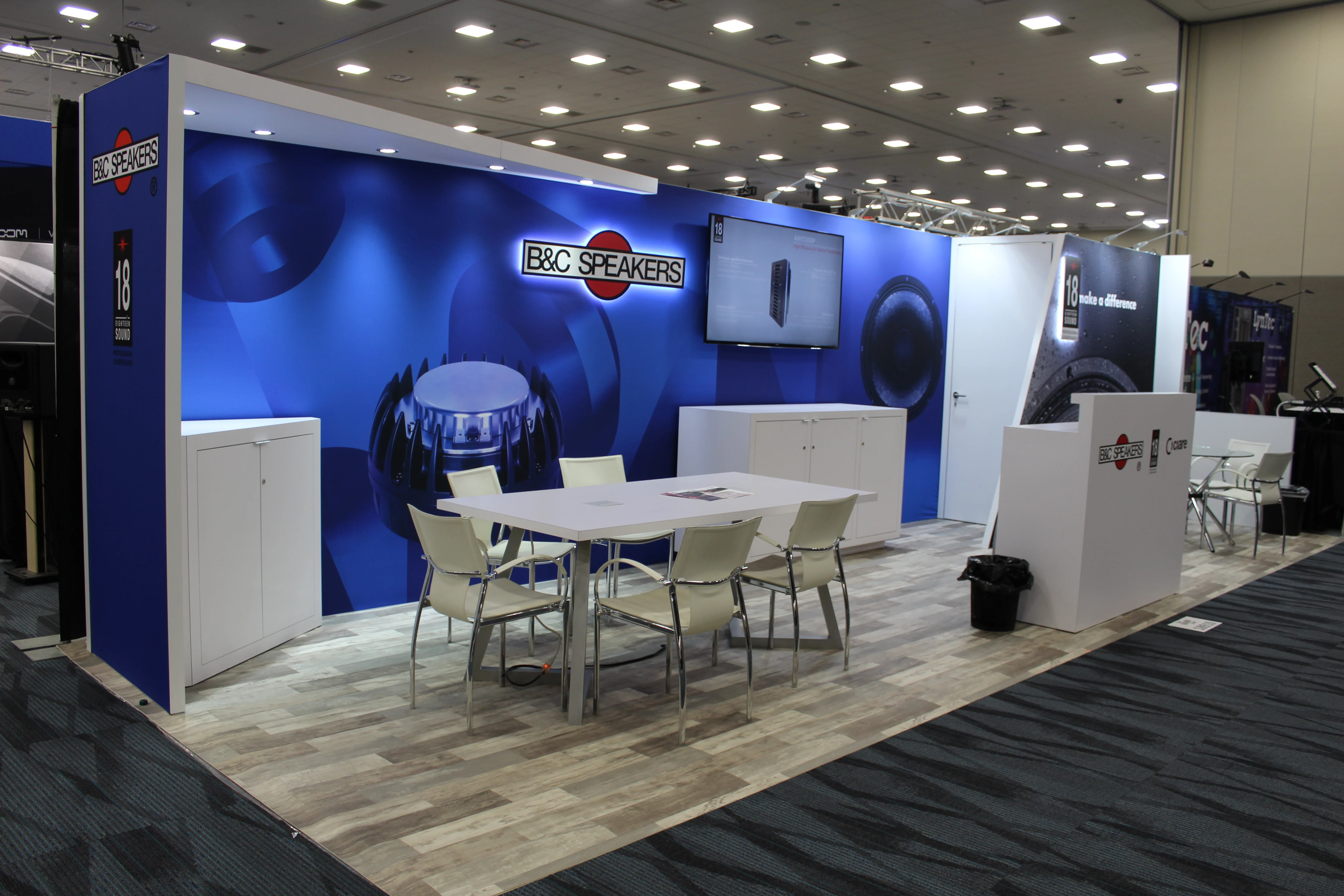
Inline booth displays live in a more traditional trade-show geometry than conference booths do.
The main challenge is working a linear footprint with one public face, nearby exhibitors on both sides, and enough storage or conversation space to keep the booth useful throughout the day.
That makes the format more about frontage discipline and exhibit-hall traffic than about compact conference polish.
Execution priorities for Inline Booth Displays
- Aisle frontage and one-sided visibility
- Neighbor awareness inside a linear footprint
- Storage, traffic, and messaging from the front edge
The Pensacola event landscape
Pensacola is a working trade show market.
Scope gets tighter; standards don't.
Pensacola neighborhoods and event districts
Downtown Mobile, AL, Mobile, AL, West Mobile, AL, Daphne, AL form the Downtown Mobile Convention Spillover cluster. Mobile expands the regional service radius with a real convention-center floor, arena inventory, and connected conference hotels. This cluster is relevant whenever exhibitors need larger exhibit halls or a downtown headquarters hotel environment unavailable in Pensacola.
Downtown Pensacola and Waterfront runs across Downtown Pensacola, FL, North Hill, Pensacola, FL, East Hill, Pensacola, FL. This cluster holds the Bay Center, Blue Wahoos Stadium, Historic Pensacola venues, and downtown private-event inventory. It is the best local fit for trade-show receptions, sponsor activations, smaller conferences, and multi-stop downtown programs.
Operational rules on the Pensacola floor
Pensacola floor operations follow the venue's own manual.
Arthur R.
Pensacola venues we work
The right building depends on the show: a consumer expo wants open aisles and broad traffic flow; a corporate conference wants controlled breakout space; a brand activation wants a venue that can carry scenic and production without fighting the architecture.
Orange Beach Event Center at the Wharf.
Line items on a typical project
For programs that repeat, asset management becomes part of the engagement — storage, graphic rotation, refurbishment, and re-crating are planned rather than one-off.
Out of scope by default are show organizer fees, booth lease costs paid directly to the show, staff travel and per diems, and any custom software or data-capture tooling the client runs on its own stack. Those stay on the client side and plug into the project through coordination, not rebilling.
What an engagement actually looks like
Once scope is clear, the venue work begins.
One named show-site lead runs the install.
That document drives the next booking.
What it costs and how fast it moves
Cost scales with how it is built, how big it is, what the venue charges for its own services, what the graphics look like, how far the crates travel, and how many days the team stays on-site.
Rental programs run on 8 to 12.
What a successful project looks like
Trade show ROI is measured at the lead and pipeline level.
The post-show debrief is where the numbers get connected back to the physical booth. Which demo station drew traffic, which meeting area closed more conversations, which graphic zone attracted dwell time — that feedback shapes the next build rather than getting lost.
How we're built to run your project
Local fabrication means real-time problem-solving. A graphic that needs to be reprinted at 6 a.m.
Clients who run repeat programs across multiple dates end up paying less per event when the same team handles everything. Less re-briefing, less re-training, less re-checking — the operational overhead drops year over year.
Frequently asked questions
Do you work at Margaritaville Beach Hotel Pensacola Beach?
Yes. Beachfront resort hotel on Pensacola Beach with meeting spaces, outdoor event areas, and gulf-view hospitality suited to corporate retreats, meetings, and sponsor programs.
How does labor work in Pensacola?
It runs venue by venue.
How much lead time is ideal?
Custom builds run best with 16 to 20 weeks of lead time. Rentals take 8 to 12 weeks.
What information kicks off a project?
The show, the venue, the booth number, the dates, and a target budget range. From those, an initial scope and a realistic cost come back within a few days.
Who runs the booth on-site?
One named show-site lead runs the install, the show hours, and the strike. That person carries the floor plan and the punch list from crates to doors and reports up once a day.
Can the booth travel to the next city on our calendar?
Same structure, swappable graphics, standard crates.
What happens if something breaks during show hours?
The on-site lead handles it.